
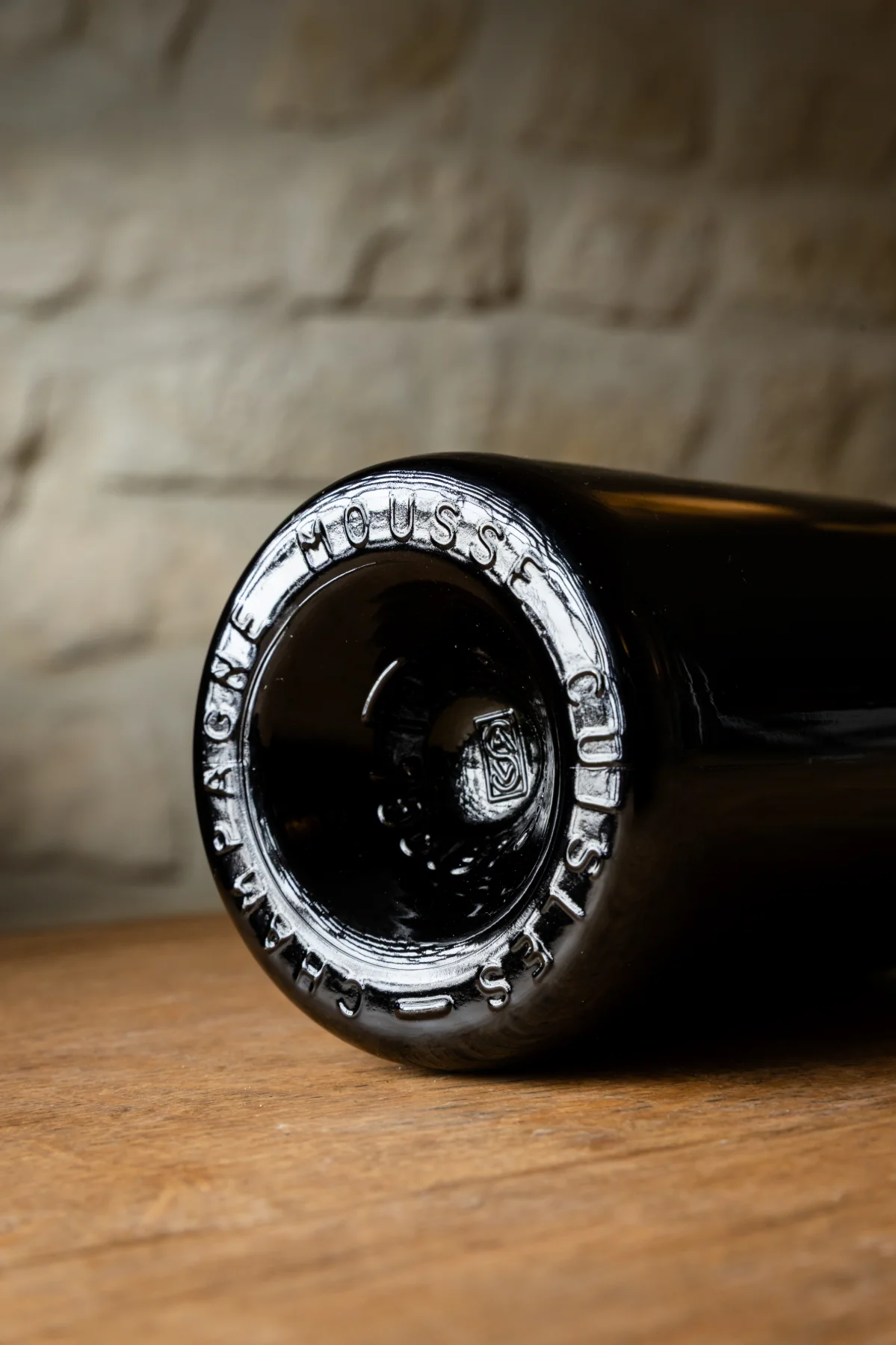
La Light 26: cuando la innovación en el sector del vidrio se pone al servicio de la región de Champagne
Entrevista con Stéphane Dubois, responsable comercial de Champagne y Alsacia, y Hervé Raffard, responsable de atención al cliente, de Saverglass
¿Quién es Saverglass?
Heredera de una aventura industrial que se remonta a 1897 en el valle del Bresle —uno de los bastiones tradicionales de la industria del vidrio en Francia desde el siglo XV—, Saverglass se ha ido consolidando progresivamente como el especialista mundial en la fabricación y decoración de botellas de vidrio de alta gama. En 1985, bajo el impulso de su presidente Loïc Quentin de Gromard, la empresa optó por la hiperespecialización: la de la embotelladora de lujo, en series limitadas, para mercados exigentes como el del coñac. Desde entonces, cerca de 200 personas trabajan constantemente en proyectos de innovación, produciendo más de 400 creaciones de diseños y decoraciones al año. En la actualidad, el grupo cuenta con 3 400 empleados y produce 485 000 toneladas de botellas al año, destinadas a vinos tranquilos, espumosos y licores. Con una experiencia de más de 120 años en la fabricación de vidrio de alta gama, Saverglass combina dos áreas de especialización complementarias —la fabricación y la decoración— para responder a los retos de excelencia y singularidad de las grandes marcas.

La botella, el principal factor de impacto de carbono del sector
La botella de champán es mucho más que un simple envase. Hoy en día se encuentra en el centro de un importante desafío medioambiental. Como recuerda Stéphane Dubois, «cuando el CIVC lleva a cabo su estudio global sobre el impacto de la RSE en el sector del champán, es la botella la que hace saltar las alarmas». » Y con razón: el vidrio representa cerca del 30 % de la huella de carbono del sector, tomando como referencia una botella estándar que pesa 835 gramos.
En este contexto, Saverglass ha colaborado con el viticultor Cédric Moussé en el desarrollo de una botella inédita: la Light 26, con un peso de entre 725 y 740 gramos, es decir, casi 100 gramos menos que la botella tradicional. Una proeza técnica y, al mismo tiempo, una respuesta concreta a las crecientes expectativas del mercado y de las autoridades reguladoras.
Del encuentro a la realidad: la historia de un proyecto audaz
El origen de la Light 26 se debe tanto a una relación humana como a una convergencia técnica. Stéphane Dubois conoce a Cédric Moussé desde hace muchos años y tenía con él «una promesa casi amistosa de acabar trabajando juntos». Pero fue la capacidad de Saverglass para responder al pliego de condiciones técnico del viticultor —y para tranquilizarlo a lo largo de todo el proceso— lo que marcó la diferencia.
Porque Cédric Moussé no llegó con las manos vacías. Tenía una visión precisa: una botella cuya altura fuera igual a la circunferencia, inspirada en las proporciones del magnum, y que se vertiera en la copa con la misma fluidez. Hervé Raphard destaca que este proyecto encajaba perfectamente con el ADN de Saverglass: «Siempre hemos trabajado en proyectos audaces, esas botellas especiales que otros fabricantes de vidrio dejaban de lado porque eran técnicamente complicadas.»*** No le ocultamos a Cédric que íbamos a rozar ciertos límites, pero aceptamos este reto porque encajaba con nuestros principios fundamentales: innovación, diseño y acompañamiento. » *

Los retos técnicos: encontrar el equilibrio adecuado
Diseñar una botella de champán aligerada no es tarea fácil. A diferencia de los vinos tranquilos o los licores, la botella de champán debe resistir una presión interna de entre 8 y 10 bares, los golpes durante su manipulación, los choques térmicos del degüelle y todo un proceso que cuenta con una decena de etapas especialmente exigentes.
La estrategia adoptada por Saverglass consistió en «trabajar en dicotomía»: bajar deliberadamente más allá de lo razonable para luego volver a subir hacia un punto óptimo. Al reducir la altura de la botella —de acuerdo con la visión estética de Cédric Moussé— el equipo pudo reducir la cantidad de vidrio en la parte superior, sin apartarse en ningún momento de los requisitos de resistencia mecánica definidos por el pliego de condiciones del CIVC.
Otro requisito respetado: la mecanizabilidad. La Light 26 conserva un diámetro equivalente al de las botellas estándar, lo que significa que es perfectamente compatible con las líneas de embotellado, etiquetado y removido existentes.« «No hemos revolucionado todo el proceso», precisa Hervé Raphard. Una condición sine qua non para que la innovación sea realmente adoptable.
Un impacto medioambiental concreto y cuantificado
Los beneficios obtenidos no son meramente simbólicos. En los alcances 1 y 2 (excluyendo el transporte y el embalaje), la Light 26 genera una reducción de la huella de carbono del 11,4 %. Si se incluye el alcance 3, este beneficio asciende al 23 %. Un rendimiento que ha sido posible, en particular, gracias a un efecto logístico: la reducción de la altura de la botella permite añadir una fila adicional en los palés de entrega, reduciendo así el número de camiones en las carreteras y la cantidad de embalajes utilizados.
Estas cifras responden a unas exigencias del mercado cada vez más concretas. Algunos países escandinavos están impulsando la reducción del peso del vidrio, y la SAQ —organismo estatal canadiense— impone ahora en su pliego de condiciones un peso máximo de 835 gramos para las botellas de 75 cl, independientemente de su forma. «En el futuro, podría haber mercados que se cierren a quienes no se adapten», advierte Stéphane Dubois.

Diseño, identidad y valor: una botella que da que hablar
Más allá de sus prestaciones técnicas, la Light 26 plantea interrogantes sobre la identidad estética del champán. ¿Podrá convertirse en una botella emblemática de la denominación? Para Saverglass, la respuesta reside en una fórmula propia: «el buen diseño, con el peso adecuado». » No se trata de sacrificar la estética en aras de la sostenibilidad, sino de demostrar que ambas pueden coexistir —e incluso reforzarse mutuamente.
En cuanto a la acogida de la innovación por parte de los actores del sector, el balance es positivo. «No deja a nadie indiferente, y eso es buena señal», confiesa Stéphane Dubois. Las reacciones son en su mayoría entusiastas, tanto por parte de los profesionales del vino como de las instancias técnicas. El CIVC acompaña el proyecto con un riguroso protocolo de validación, realizando pruebas en cada etapa del proceso de elaboración del champán. «Todas las señales están en verde», resume Hervé Raffard.
En cuanto al envase como argumento comercial, hay que matizar. Como recuerda Stéphane Dubois con pragmatismo: «El marketing vende la primera botella, el vino vende la segunda». La botella puede llamar la atención, pero son la historia, el viticultor y, en última instancia, el propio vino los que fidelizan.
Una innovación que marca el camino
La Light 26 es el resultado de la combinación de dos tipos de saber hacer: la maestría histórica de Saverglass en el diseño de botellas y su recién consolidada capacidad para aligerar el vidrio. Ilustra lo que puede surgir de una relación de confianza entre un fabricante de vidrio técnicamente ambicioso y un viticultor dispuesto a asumir riesgos calculados.
También plantea una cuestión más amplia a todo el sector: ¿hasta dónde se puede llegar en el diseño ecológico de las botellas de champán? La respuesta dependerá de la evolución del pliego de condiciones de la región de Champaña y de los avances tecnológicos que se produzcan en el futuro. Mientras tanto, la Light 26 abre un camino y demuestra que innovar en Champagne, incluso en lo que parece estar estancado desde hace décadas, no solo es posible, sino necesario.

Saverglass es el especialista mundial en la fabricación y decoración de botellas de vidrio de alta gama para vinos y licores. Con sede tradicional en Feuquières, en el departamento de Oise, su experiencia se extiende a escala internacional al servicio de prestigiosas casas, marcas más exclusivas y viticultores independientes.